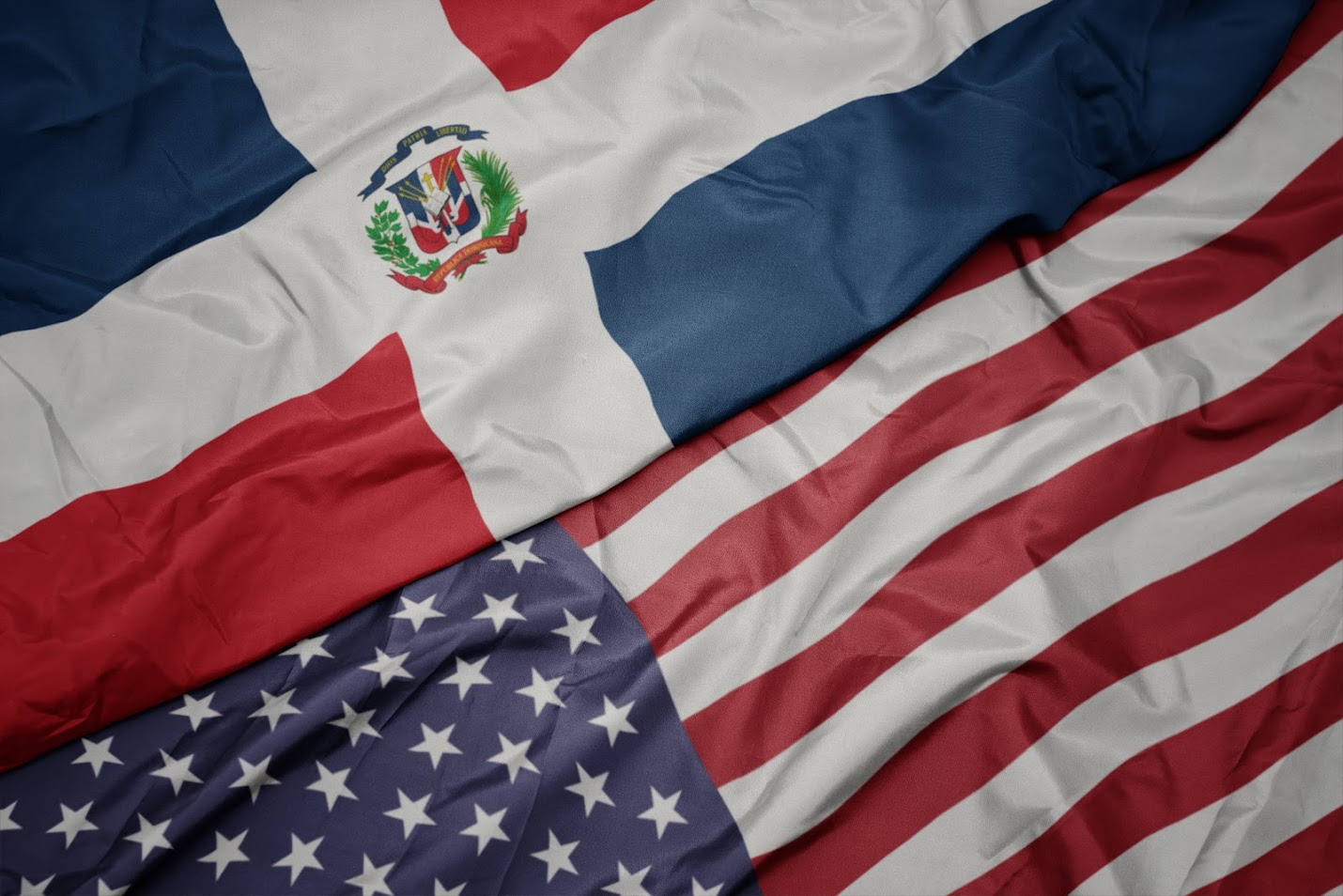
It’s simple- America and the Dominican Republic are deeply connected through baseball due to shared history, cultural exchange, and a vibrant pipeline of talent that links both nations.
Roots of the Connection
Baseball was introduced to the Dominican Republic by Cuban immigrants and American influence in the late 1800s, quickly becoming the nation’s most popular sport. U.S. military and economic involvement throughout the 20th century further spread the game, solidifying baseball as a common pastime and cultural touchstone in both countries.
Talent and Opportunity
The Dominican Republic produces more MLB players than any country outside the U.S., owing to strong local leagues and dedicated training academies operated by Major League Baseball. For many Dominican youth, baseball represents hope for a better future, and U.S. teams actively scout and recruit talent from across the island, creating a direct pipeline to the American professional leagues.
Cultural and Economic Bonds
Baseball shapes national identity and international prestige for the Dominican Republic, while the U.S. benefits from the talent and athleticism Dominicans bring to MLB teams. The sport fosters social and economic ties through training, community events, and worldwide broadcasts, symbolizing unity between the two countries.
A Shared Baseball Legacy
The United States and the Dominican Republic share one of the strongest baseball relationships in the world. Dominican players have shaped Major League Baseball for decades—icons like Pedro Martínez, David Ortiz, and Albert Pujols began their journeys on humble fields in the Caribbean. Today, nearly 10% of all MLB players are Dominican-born. For American fans, every home run, strikeout, and highlight reel catch by a Dominican player is proof of the talent nurtured in programs just like Vias RD. Supporting these nonprofits ensures that the next generation of players continues to enrich America’s favorite game.
Strengthening International Bonds
Sports are a universal language that connects people across borders. When Americans contribute to a non-profit like Vias RD in the Dominican Republic, they are doing more than just donating equipment or funds—they are investing in cultural exchange and global friendship. Vias RD teaches teamwork, respect, and resilience, values that resonate in both countries. By supporting these programs, Americans strengthen ties with one of their closest neighbors while showing how sports can unite communities worldwide.
Investing in Youth Beyond the Game
While only a small percentage of young athletes make it to the professional leagues, the benefits of programs like Vias RD extend far beyond the diamond. Kids learn discipline, leadership, and the value of hard work—skills that serve them in education, careers, and everyday life. Americans who support Dominican baseball nonprofits are not only helping grow the sport but also empowering children to pursue brighter futures. This kind of investment in human potential pays dividends that ripple across borders.
Giving Back to the Game We Love
Baseball has always been called “America’s pastime,” but its heartbeat is global. Vias RD is more than a youth sports program—it’s a symbol of unity between the Dominican Republic and the United States. For Americans, supporting it means preserving the future of baseball, strengthening international goodwill, and investing in the dreams of young athletes. In the end, helping Dominican kids play baseball is not only about their growth—it’s about keeping alive the values and connections that make baseball truly timeless.
 Skip to content